Strasbourg Rules Albania's Dismissal of Prosecutor Osmani Disproportionate, Paves Way for Reinstatement
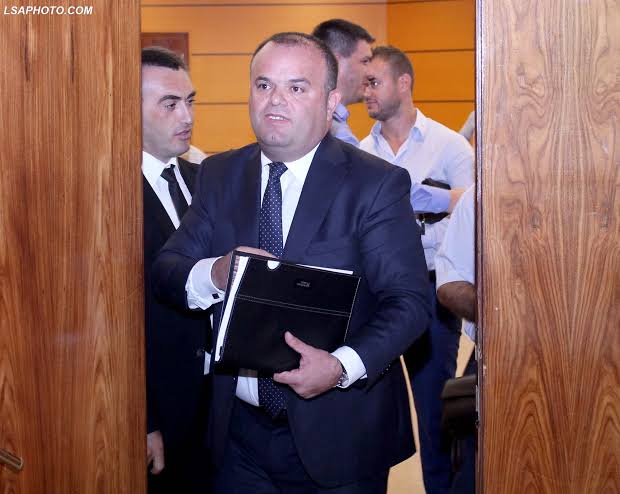
TIRANA, Albania - The European Court of Human Rights ruled on Tuesday that Albania's Special Appeal Board acted disproportionately when it dismissed prosecutor Gentjan Osmani, finding the decision in violation of the right to private and family life guaranteed under Article 8 of the European Convention on Human Rights.
The Strasbourg court, in its judgment issued June 23, determined that the KPA's removal of Osmani was not proportionate to the stated objectives of Albania's judicial vetting process. The court recommended that, should Osmani request it, proceedings be reopened and his case re-examined in line with Article 8 requirements - following the same precedent applied in the earlier case of prosecutor Antoneta Sevdari, who was subsequently reinstated to her post.
"If the applicant requests it, it would be appropriate to reopen the proceedings and re-examine the case in accordance with the requirements of Article 8, as set out in this judgment," the court stated in its published ruling.
The judgment traces the full course of Osmani's vetting process. He was confirmed in his post by the KPK - Albania's first-instance vetting body - on August 2, 2018, at a time when he held a seat on Albania's senior prosecutorial governance council. A public commissioner subsequently appealed that first-instance determination, raising challenges focused on the assets criterion.
According to the Strasbourg court's findings, the KPA rejected several of the grounds put forward in that appeal, having been satisfied that in 2009 Osmani and his spouse had received a loan from family members that, combined with other lawful sources of income, accounted for the disputed funds. Despite that partial rejection of the public commissioner's appeal, the KPA ultimately dismissed Osmani from his post - the decision the European court has now found to be disproportionate and in breach of the Convention.
The ruling carries direct consequences for Albania's ongoing vetting process, a constitutional reform mechanism designed to remove judges and prosecutors unable to justify their assets, professional conduct, or connections. The Osmani decision follows the Sevdari precedent closely: in that earlier case, Strasbourg found a comparable Article 8 violation and the prosecutor was returned to duty. Tuesday's ruling makes clear that the Sevdari framework is the operative standard the court expects Albanian authorities to apply to Osmani's situation as well.
The KPA, which serves as the appellate body within the vetting structure, and the KPK, which conducts first-instance assessments of judges and prosecutors, are the two institutional pillars of a process that has reshaped Albania's legal landscape since its inception. Decisions from both bodies have attracted sustained scrutiny at the European level, and Tuesday's ruling is the latest instance in which Strasbourg has intervened to define the limits of how vetting dismissals must be handled to remain compatible with Convention rights.
Whether Osmani has formally requested the reopening of proceedings, and the timeline for any review by the KPA, remain unconfirmed