Funding Retreat on Ocean Plastics Intensifies Scrutiny on Ghana's Manufacturing Sector
TEMA, Ghana - 3G Plastics Ltd., a Tema-based manufacturer and wholesaler, now operates in an environment where shrinking global funding for plastic pollution clean-up is converging with a worsening coastal crisis in Ghana, raising the stakes for the entire domestic plastics industry.
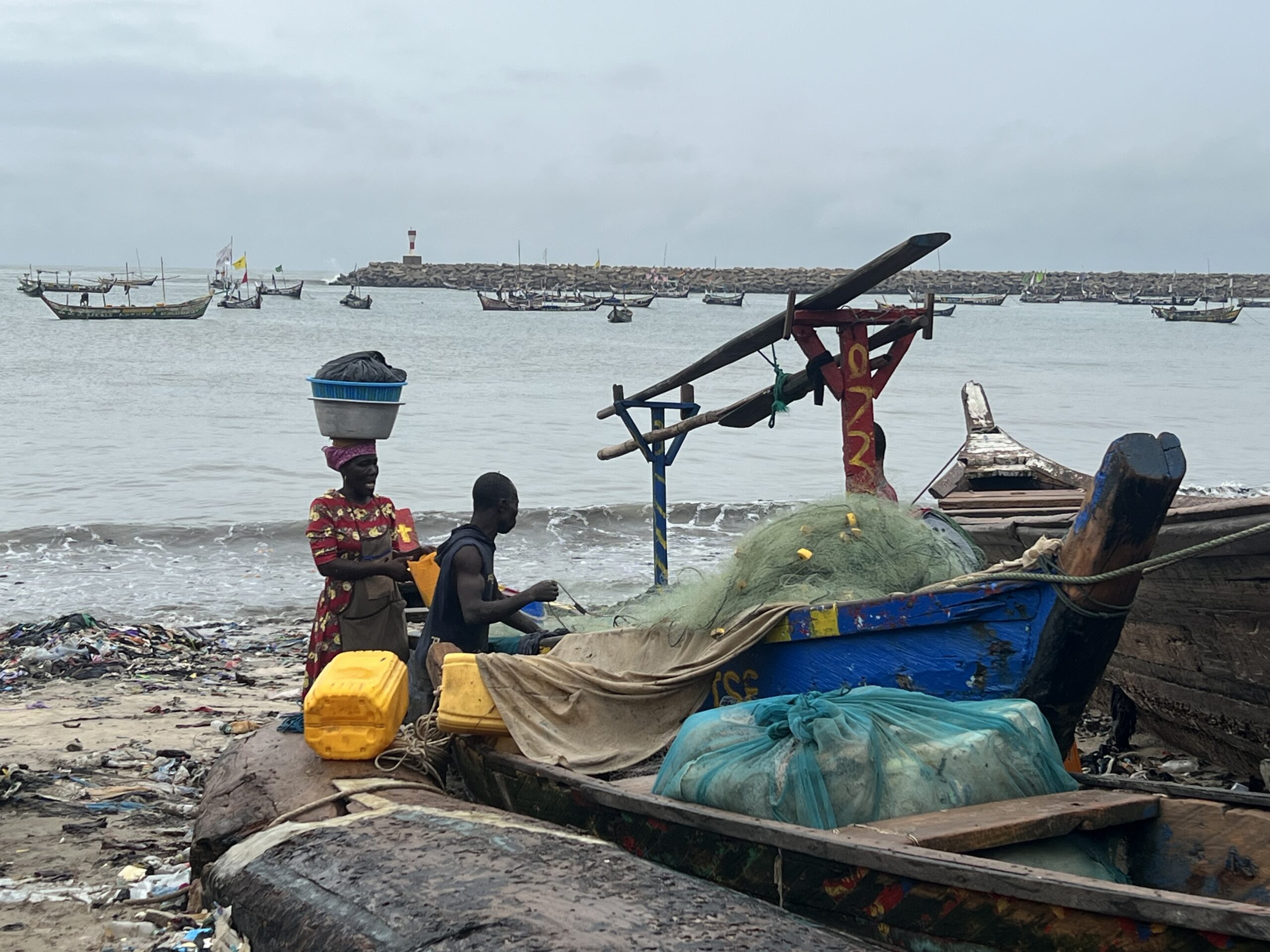
The scene at Jamestown Beach in Accra illustrates the scale of the challenge. Waves that once delivered only a day's catch now carry bottles, bags, and discarded packaging swept in from near and far. This visible accumulation of plastic debris along Ghana's shoreline is not merely an environmental image problem - it is a signal of tightening scrutiny directed at the sector responsible for producing these materials.
The core tension shaping 3G Plastics Ltd.'s operating environment is structural. As ocean plastic contamination intensifies globally, the funding mechanisms designed to address it are drying up. When financial resources for remediation and waste management contract, the burden of accountability tends to shift toward producers. Manufacturers and wholesalers in Ghana's plastics sector face the prospect of operating in a policy vacuum where public pressure grows but institutional support for solutions diminishes.
For 3G Plastics Ltd., the key exposure is a regulatory and reputational squeeze: the company operates in a market where coastal plastic pollution is visibly worsening while the international financial architecture meant to fund clean-up and circular-economy transitions is receding. This combination can accelerate domestic policy responses - including producer-responsibility frameworks - that impose direct costs on manufacturers without the offsetting support that international funding would otherwise provide.
The United Nations has long flagged ocean plastics as a global priority, and Ghana's position as a coastal West African nation places it squarely in the regional narrative. Africa's plastic waste challenge is compounded by infrastructure gaps in collection and recycling, meaning that product entering commerce is statistically more likely to reach the ocean than in markets with mature waste systems. This dynamic elevates exposure across the entire value chain, from manufacturing to wholesale distribution.
Sector benchmarks suggest that plastics manufacturers in emerging markets facing tightening environmental scrutiny typically encounter rising compliance costs and increased due-diligence requirements from international trading partners, though specific figures for Ghana's manufacturing sector remain unconfirmed.
The immediate commercial reality is that global attention on ocean plastics does not diminish when funding retreats - it intensifies, because the problem compounds without remediation. Producers are therefore exposed to a paradox: less institutional money in the system to address the crisis, but no reduction in accountability for it. Those that position ahead of incoming regulation and invest in reduced-plastic or recyclable formats stand to differentiate as the policy environment evolves, making strategic foresight a competitive variable in this sector.
Learn more about 3G Plastics Ltd. at drovus.world/65331/