FPÖ Budget Spokesman Schiefer Presses for Cuts as Austria's Parliament Races to Fix Double Budget
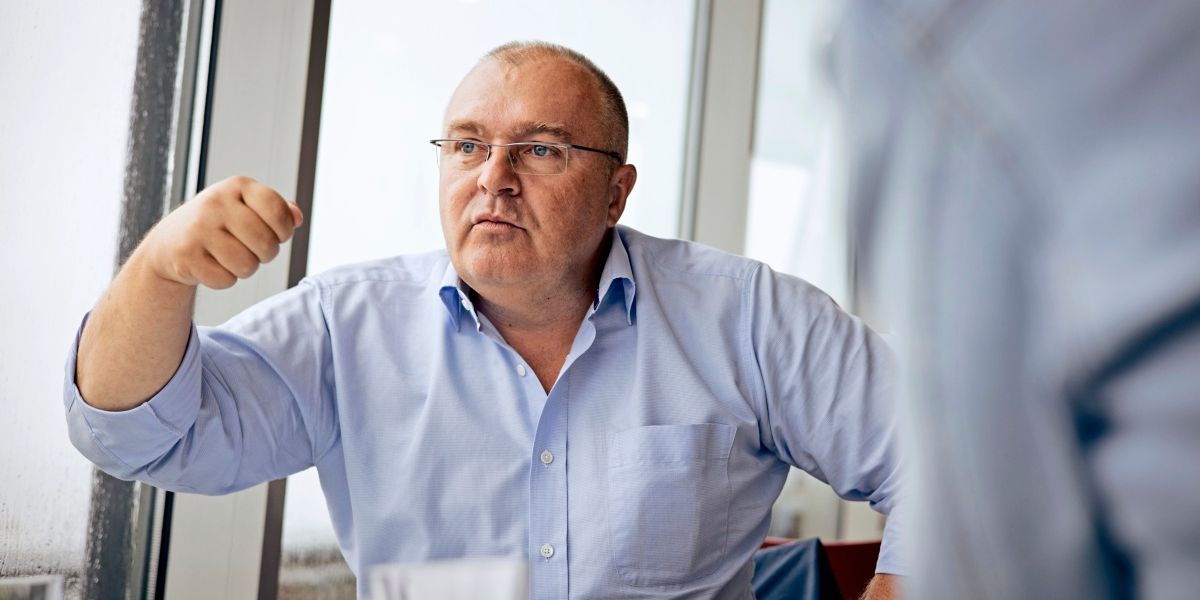
VIENNA, Austria - With budget consultations in Austria's Nationalrat gathering pace and the governing parties targeting early July to legally fix a double budget, opposition FPÖ budget spokesman Arnold Schiefer has offered a blunt fiscal principle: five percent of government expenditures can always be cut.
Schiefer, a former board member of Austria's state-owned railway operator who now serves as one of the FPÖ's key financial voices, faces a central question: what would the Freiheitlichen actually do differently? The question is pressing as budget talks between the ruling coalition intensify ahead of the July deadline.
The FPÖ has been calling on the government with increasing frequency to pursue courageous reforms in response to the country's budget pressures. Schiefer's five-percent rule is presented as a starting point - a formula that, applied across total public spending, would generate substantial savings. Yet the party's concrete proposals in two of the heaviest areas of public expenditure, health and pensions, remain a subject of scrutiny and debate.
Austria's budget system carries significant obligations in both areas. Pensions and healthcare together represent a large share of the country's social spending, and any proposal to meaningfully reform either would affect millions of Austrian households. The FPÖ's calls for bold reforms have intensified the focus on what Schiefer and his party actually envision in specific policy terms.
Schiefer is described in Austrian public debate as the financial guru to FPÖ leader Kickl - the phrase "Kickls Finanzguru" has circulated widely. Whether his five-percent principle translates into a comprehensive reform programme or remains a general opposition posture is a question the Nationalrat's budget deliberations are likely to sharpen.
Austria's broader economic context lends urgency to the discussion. The country's economy contracted by 0.7 percent in 2024, according to World Bank data, while inflation held at 2.9 percent. Exports remain a significant pillar, at 55.7 percent of GDP. The IMF projects a return to growth - 0.7 percent in 2026 and 1.0 percent in 2027 - but the path to fiscal consolidation requires political choices that remain contested.
Unemployment stood at 5.6 percent as of 2025, and Austria's current account returned a surplus of 1.5 percent of GDP in 2024, pointing to underlying resilience. But the structural pressures on health and pension expenditure are long-running, shaped by an ageing population and rising costs that no single five-percent formula resolves on its own.
The Nationalrat's budget process now moves into a decisive phase. The governing parties are pushing to lock in the Doppelbudget through legislation by the start of July. For the opposition FPÖ, Schiefer's role as budget spokesman places him at the centre of that contest - both as a critic of the government's fiscal management and as the figure expected to articulate a credible alternative.
Whether the FPÖ's reform demands go beyond headline principles to concrete legislative proposals on health and pensions will be tested in the weeks of parliamentary debate ahead. For now, Schiefer's five-percent rule stands as the party's clearest public statement on how it would approach the country's fiscal challenges