Ghana's Firearms Licence Freeze Exposes Think Shea to Heightened Operational Security Risk
ACCRA, Ghana - Think Shea, the Ghanaian beauty company, faces an immediate disruption to its on-ground security arrangements following Interior Minister Muntaka Mohammed-Mubarak's blanket suspension of all active firearm licences in Ghana - a policy shift that strips every licensed firearms holder in the country of their legal authority to carry or operate a weapon until further notice.
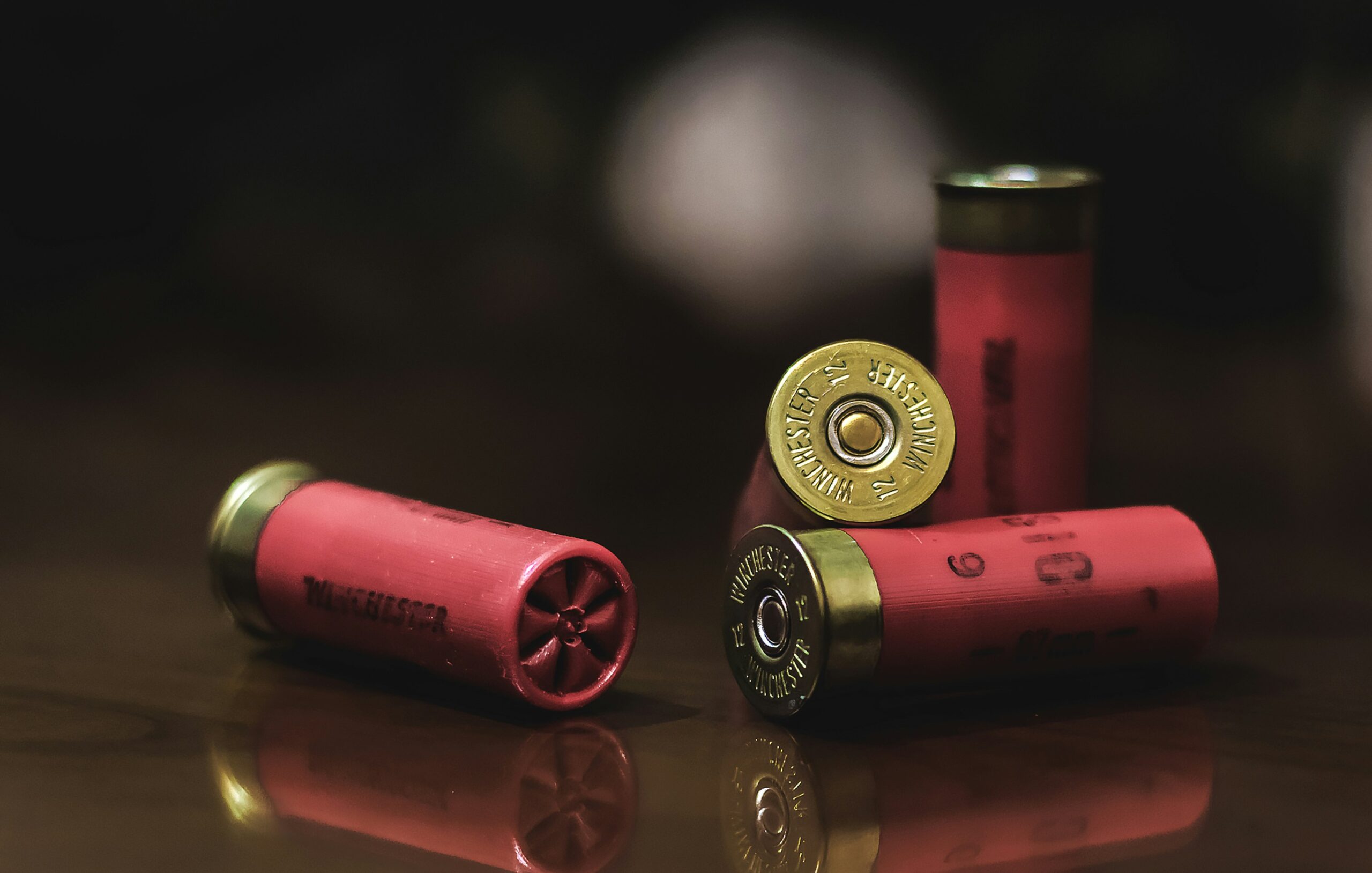
The suspension was announced by Interior Minister Muntaka Mohammed-Mubarak in direct response to a documented spate of gun-related suicides and a rising tide of armed violence across Ghana. Every active firearm licence has been halted, and all holders are now required to undergo mental health screening before any reinstatement can proceed. The policy applies without exemption, covering individual holders and the security firms that employ them alike.
For businesses operating in Ghana's consumer goods and beauty sector, this creates an immediate and material gap in private security infrastructure. For Think Shea, the key exposure is the potential interruption of contracted armed security services, which typically underpin the protection of retail locations, inventory warehouses, and logistics corridors in Ghana's consumer market.
Security firms operating in Ghana - including Kantanka Security Services - now face the same licence freeze as individual holders. Their armed personnel are legally disarmed pending mental health evaluations. The timeline for processing screenings across Ghana's entire licensed firearms population has not been publicly confirmed, and the reinstatement schedule remains unconfirmed at this stage. Parliament has not indicated a legislative deadline for resolving the mandate, and the Interior Minister has not specified a framework beyond the screening requirement itself.
This regulatory ambiguity is itself a risk. Companies cannot plan effective security transitions without a clear compliance and re-licensure window, and the absence of a disclosed timeline compounds operational uncertainty for businesses already managing the costs of doing business in a dynamic market.
The beauty sector in Ghana operates across supply chains that connect rural shea-producing regions to urban retail centers - a distribution footprint that depends on reliable logistics security. Sector benchmarks suggest security costs represent a meaningful operating line item for consumer goods companies active in West African markets, though specific figures for Think Shea have not been disclosed.
Beyond direct security operations, the suspension signals a broader shift in Ghana's regulatory posture toward public safety accountability. Ghanaians' confidence in public safety conditions directly influences retail foot traffic and the willingness of logistics partners to operate without armed escort. Any prolonged enforcement uncertainty carries reputational and logistical weight for brands whose value proposition rests on supply chain integrity and consumer trust.
Think Shea operates in a sector where those foundations are not incidental - they are structural. The full commercial impact of Ghana's firearm licence suspension on the beauty sector will depend on how quickly the mental health screening process is operationalised and how the reinstatement pathway is communicated to licence holders and the businesses that depend on them.
Learn more about Think Shea at drovus.world/109543/