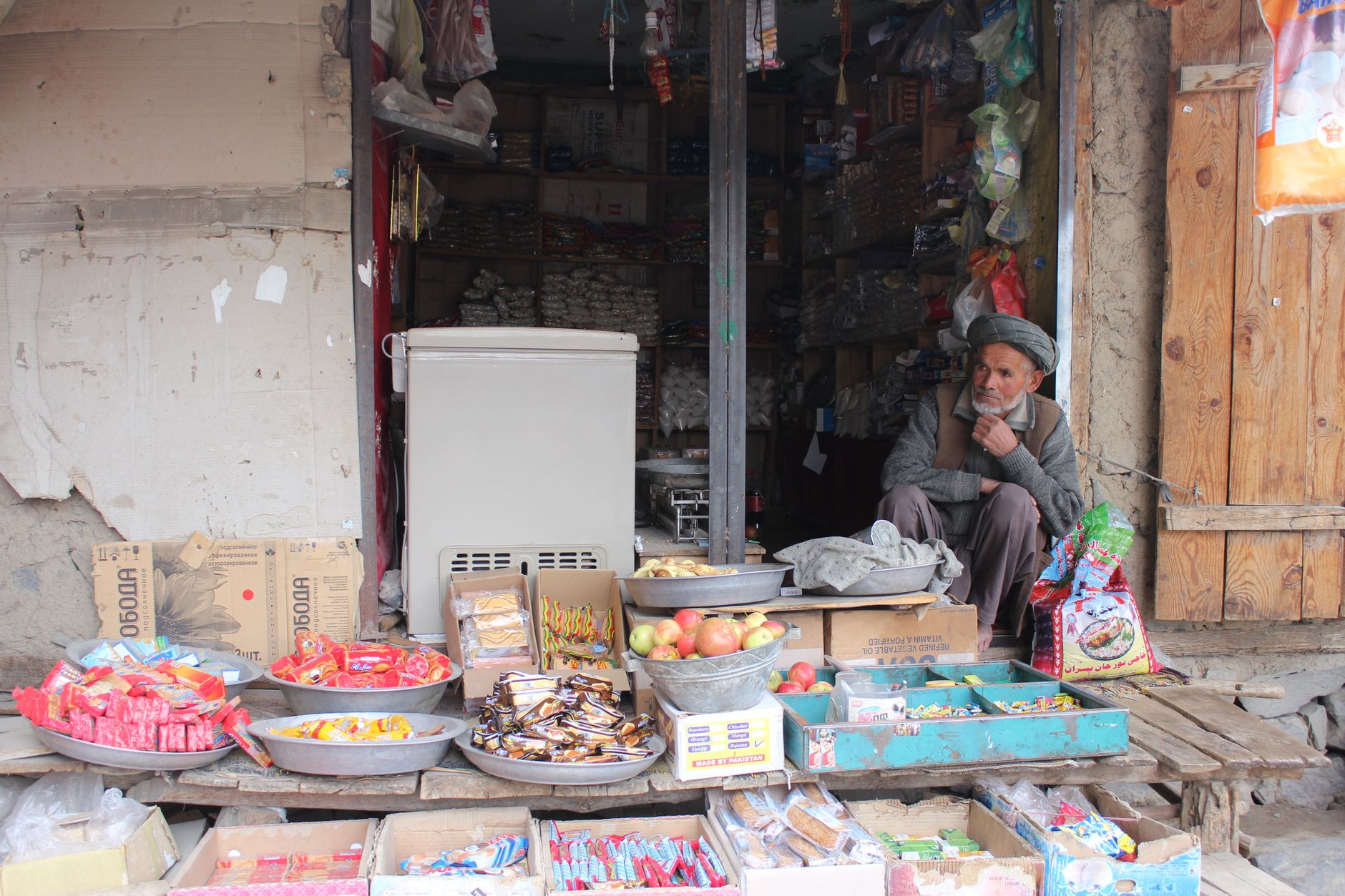
Austria's Driest Farming Region Stares Down 40% Harvest Losses as Drought Pushes Grain Farmers Toward Lavender
VIENNA, Austria - Cereal producers in Austria's Weinviertel - the country's driest arable farming region - are projecting harvest losses of up to 40 percent this season, a drought-driven shortfall that is accelerating a structural shift away from traditional grain cultivation and forcing a reckoning with long-term agricultural viability across the region's exposed eastern plateau.
The Weinviertel stretches across Lower Austria toward the borders with the Czech Republic and Slovakia, and its flat topography and low annual rainfall have long made it dependent on cereal monoculture. That dependence is now a liability. For grain farmers operating on thin margins in a compressed commodity environment, a 40 percent yield loss is not a manageable variance - it is an existential challenge. Global wheat prices currently stand at 219.6 dollars per metric tonne, a level that provides no meaningful buffer against shortfalls of this scale.
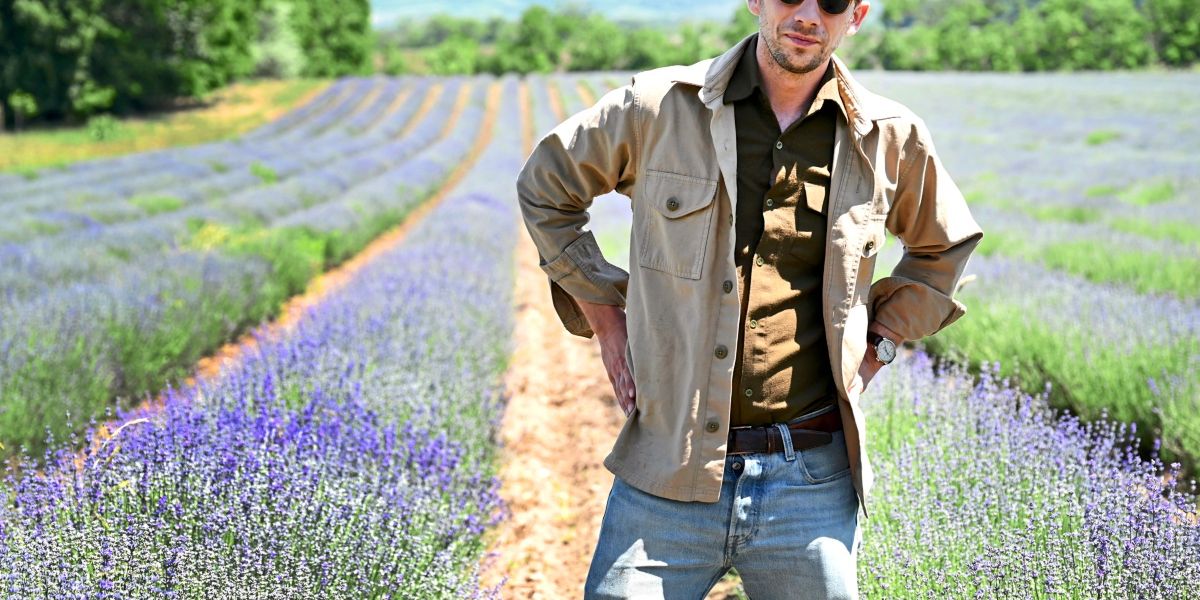
The most visible adaptation is already in the ground. Organic farmer Zeno Piatti has cultivated lavender across eight hectares in the eastern Weinviertel for three years, treating the Mediterranean medicinal plant as a commercially viable alternative where cereal cultivation is becoming climatically unworkable. The crop's drought tolerance - it thrives precisely where conditions are too dry for conventional grain - positions it as a structurally rational pivot rather than a niche agricultural experiment. Piatti's operation reportedly extends to cross-border production arrangements and includes conservation work linked to the lapwing, though further details on the broader commercial structure remain unconfirmed.
The immediate exposure for institutional investors lies in agricultural land values and rural credit portfolios concentrated in drought-affected zones. Cereal holdings in the Weinviertel face downward pressure on both yield-based income and underlying asset valuations if the climatic trend persists across successive growing seasons. Regional agri-lenders and funds with positions in Lower Austrian farmland are navigating this repricing risk against a backdrop of macroeconomic weakness: Austria's GDP contracted 0.7 percent in 2024, and the IMF projects only a shallow recovery - 0.7 percent growth in 2026 and 1.0 percent in 2027. Rural income stress in regions like the Weinviertel compounds what is already a fragile domestic demand environment, with inflation running at 2.9 percent and unemployment at 5.6 percent as of 2025.
For operators across the agri-food processing and input supply chain, the crop transition carries asymmetric implications. A sustained shift from cereals to specialty medicinal and aromatic plants would reduce throughput demand for conventional inputs - large-scale machinery, chemical inputs, bulk grain storage - while creating demand for distillation and specialty processing capacity suited to lavender and related crops. The World Bank's current commodity data reinforces why grain-dependent business models face structural headwinds at prevailing price levels.
Der Standard's field report on Piatti's Weinviertel operation signals that individual farm-level adaptation is already running ahead of broader policy frameworks. Whether this remains an isolated response or scales meaningfully across the region will depend on water access rights, land tenure conditions, and the depth of market infrastructure for specialty crops - factors that are not yet clearly resolved. What the 40 percent loss projection makes plain is that this is not a weather anomaly to be discounted in portfolio models; it is a data point in a pattern that is materially rewriting the risk profile of Austria's eastern agricultural heartland