Air Quality Gains Reshape Cardiovascular Research Priorities for British Heart Foundation
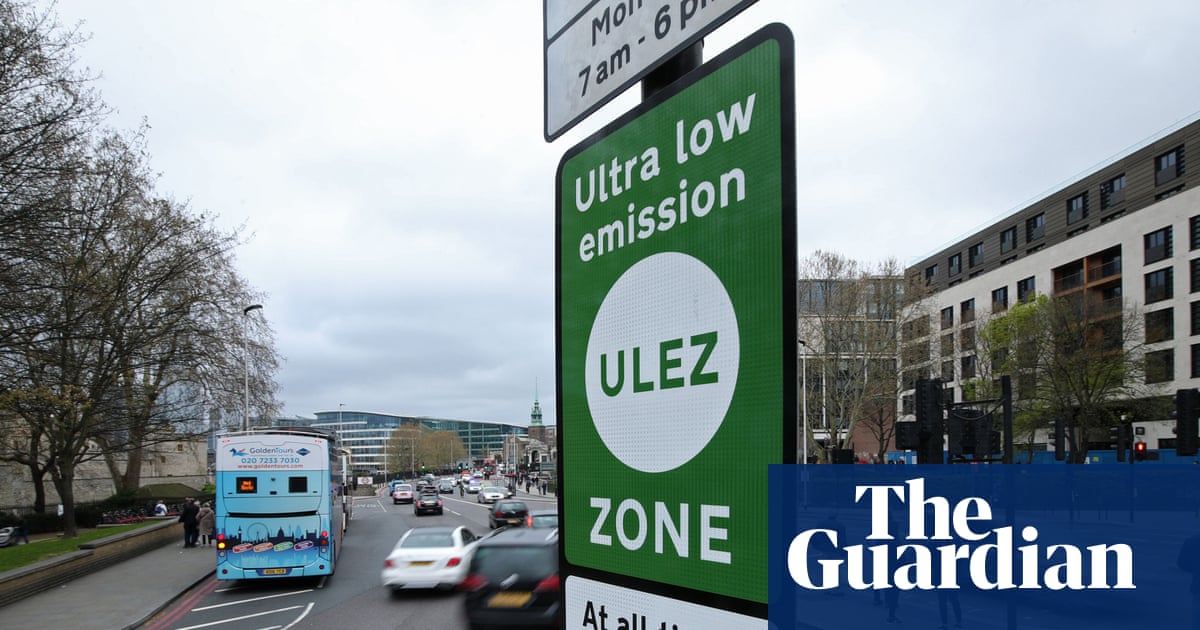
LONDON, United Kingdom - British Heart Foundation faces a sharply recalibrated operating environment as new analysis estimates that deaths linked to air pollution in London fell by approximately 40% over the five years from 2019, even as researchers from Imperial College simultaneously determined that pollution exerts a worse health impact on the population than previously understood.
The dual finding - fewer deaths, but greater per-exposure harm - creates a nuanced strategic signal for the United Kingdom's leading cardiovascular health charity. On one hand, a sustained reduction in pollution-linked mortality across London represents a meaningful shift in the disease burden that British Heart Foundation exists to address. On the other, the Imperial College team's revised assessment of pollution's physiological damage means that the surviving population may be carrying a heavier, less visible load of cardiovascular injury than prior models accounted for.
For British Heart Foundation, the key exposure is the tension between headline mortality improvement and the recalibrated severity of sub-lethal pollution harm - a gap that may require the organisation to reorient research funding, public health messaging, and advocacy priorities toward chronic cardiovascular injury rather than acute pollution-linked death alone.
London's mayor Sadiq Khan welcomed what he described as "overwhelming evidence" of progress, framing the findings as validation of urban air quality initiatives undertaken across the city. That political endorsement carries weight for a charity whose mission overlaps directly with the public health outcomes that clean-air policy is designed to produce. In the United Kingdom, where policy advocacy forms a core pillar of the cardiovascular health sector, alignment between mayoral priorities and charity-led research creates a fertile environment for joint public engagement and funding conversations with government bodies.
The Imperial College findings, however, introduce a complicating layer. If pollution damages the cardiovascular system more severely per unit of exposure than previously modelled, then even a 40% reduction in mortality does not necessarily translate to a proportional reduction in disease prevalence or treatment burden across the United Kingdom. Sector benchmarks suggest - though details remain unconfirmed at the organisational level - that the cardiovascular charity sector routinely allocates significant resources to research into long-term, low-level environmental risk factors. A revision upward of pollution's per-exposure harm could justify expanded investment in that category.
British Heart Foundation's positioning as a research funder and public health advocate means it is also a potential convener in translating the Imperial College analysis into updated clinical and policy guidance. The charity's authority in the United Kingdom on matters of heart disease risk makes it a natural counterpart to academic institutions seeking to communicate complex, dual-directional findings - progress on deaths, worsening understanding of harm - to policymakers and the public alike.
The practical implication for the sector is that air quality improvements, while real and significant in London, do not simplify the cardiovascular health landscape; they redefine where the remaining burden sits. Charities and health organisations across the United Kingdom will need to track whether the population cohort spared from pollution-linked death is nonetheless accumulating cardiovascular damage that will manifest in later years.
Learn more about BRITISH HEART FOUNDATION at drovus.world/929968/