Opposition Falls Short of Quorum in Bid to Question Argentina's Chief of Staff as Menem Strikes Cross-Party Deal
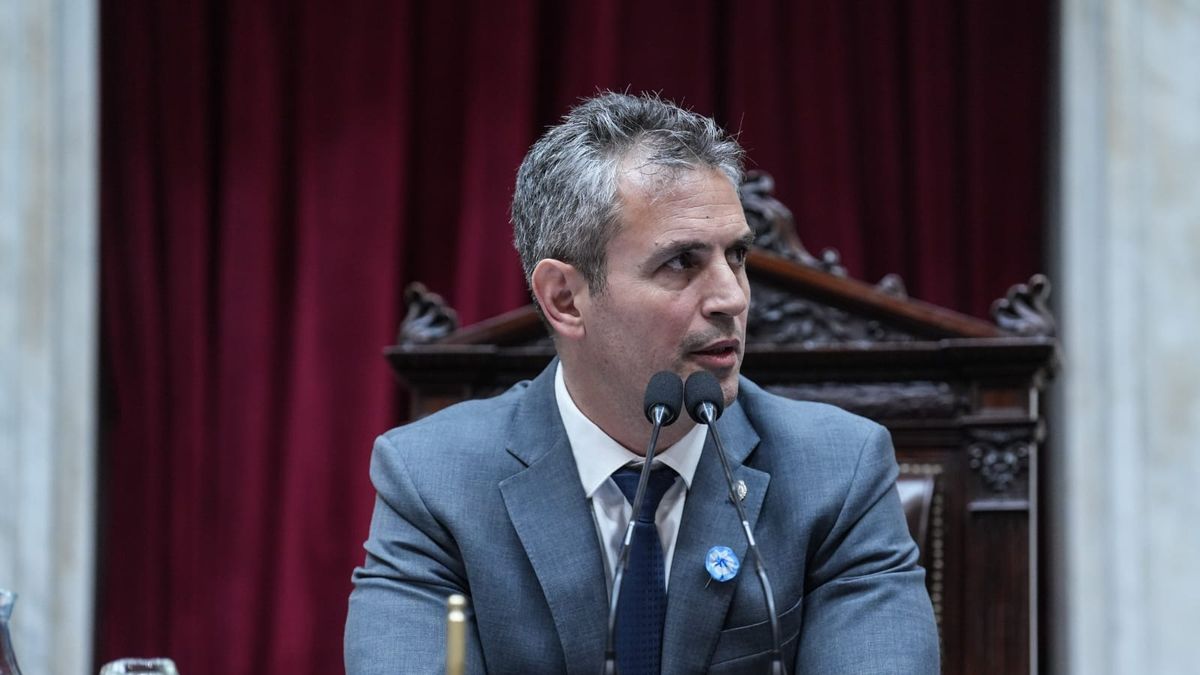
BUENOS AIRES, Argentina - Argentina's opposition failed Tuesday to muster the minimum 129 legislators required to open a formal session in the Chamber of Deputies aimed at questioning Chief of Staff Manuel Adorni, after Chamber President Martín Menem brokered agreements with the PRO and the UCR that drained the initiative of the numbers it needed to proceed.
The session had been organized by multiple opposition blocs seeking to interpellate Adorni - a constitutional mechanism that compels a senior cabinet official to appear before the full chamber and answer questions from legislators. Under Argentine law, an interpellation followed by a censure vote carries the potential to trigger the removal of the jefe de Gabinete, giving the procedure considerable political weight beyond a simple question-and-answer exercise. Opposition lawmakers had calculated that this route offered a structured opportunity to hold the head of cabinet publicly accountable at a moment of heightened political tension.
The initiative collapsed when the PRO and the UCR declined to supply the votes that would have delivered quorum. A series of provincial governors aligned with the ruling coalition also played a role in keeping the session from going ahead. Together, these withdrawals left the opposition well short of the 129-deputy threshold required to open debate in the chamber, handing the government a clear victory and closing off the most direct legislative avenue the opposition had pursued in its effort to pressure the executive.
Menem, in what sources described as a last-minute maneuver, had worked behind the scenes to assemble the coalition of parties and governors that ultimately blocked the session. His success in aligning the PRO and the UCR with the ruling administration's position - and in coordinating with allied governors to firm up the blockade - underscored his central role in managing the government's congressional strategy at a critical juncture.
The political consequences of Tuesday's outcome extend beyond the lower chamber. Former Security Minister Patricia Bullrich, who heads the ruling coalition's bloc in the Senate, finds herself in a complicated position following the deal Menem struck. Prior to the collapse in Diputados, Bullrich had reached a separate arrangement with Peronist opposition senators to advance the interpellation from the upper chamber's side. The pact now sealed by Menem with her party and the UCR runs counter to that prior agreement, placing Bullrich between competing commitments. The head of the ruling bloc in the Senate is expected to present a formal response, though the details of that move remain unconfirmed.
The episode illustrates the structural complexity of legislative politics under the current administration, which governs without a majority in either chamber and must constantly assemble shifting coalitions to manage its agenda. Tuesday's maneuver demonstrated the government's capacity to peel away opposition-adjacent parties - particularly the PRO and the UCR - from coordinated opposition efforts and to neutralize a challenge before it reaches the floor.
For Argentine governance, the failure to achieve quorum removes the immediate tool the opposition had assembled to scrutinize the chief of staff through formal congressional proceedings. Whether the opposition will regroup around an alternative strategy - in either chamber - has not been confirmed