In Rural Kiremba, Women and Youth Bear the Cost of Entrepreneurship's Absence
KIREMBA, Burundi - Agriculture accounts for roughly a third of Burundi's $9.21 billion economy, yet in Commune Kiremba - a verdant enclave in the northern province of Butanyerera - the sector's natural endowments have not translated into broad-based economic participation, least of all for women and young people.
Three structural constraints define the impasse. Women remain largely absent from local decision-making bodies. Underemployment is pervasive despite an official unemployment rate of 0.9% (World Bank, 2025) - a figure that substantially understates the reality of subsistence-level and informal work in rural communes. And access to startup capital for income-generating activities is severely constrained, leaving entrepreneurship potential unrealised across the working-age population.
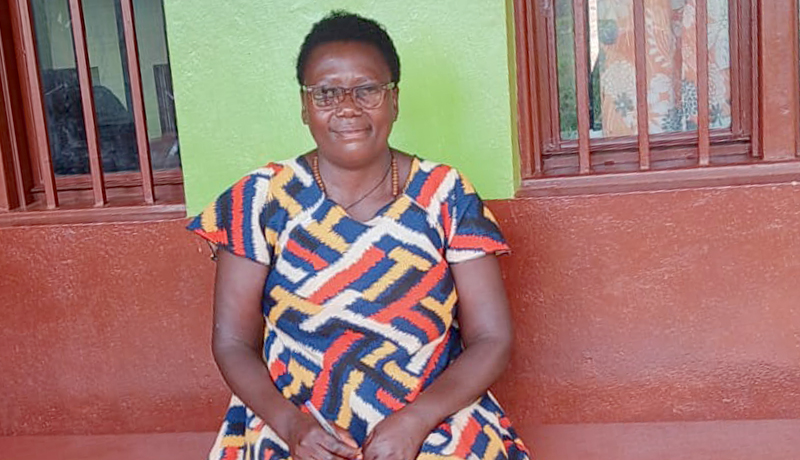
Joséphine Hafashimana, a 49-year-old teacher and director of École fondamentale de Ciri near the commune centre, has emerged as one of Kiremba's most prominent women leaders. She attributes low female representation in civic life partly to high dropout rates among girls, who frequently leave school early to marry. "They perhaps feel that the time devoted to study is too long, and fear growing old before finding a husband," she told IWACU. After completing leadership training, Hafashimana convened women from across Commune Kiremba around income-generating activities, and now represents them within a cross-party women's association drawing members from different political organisations in the area.
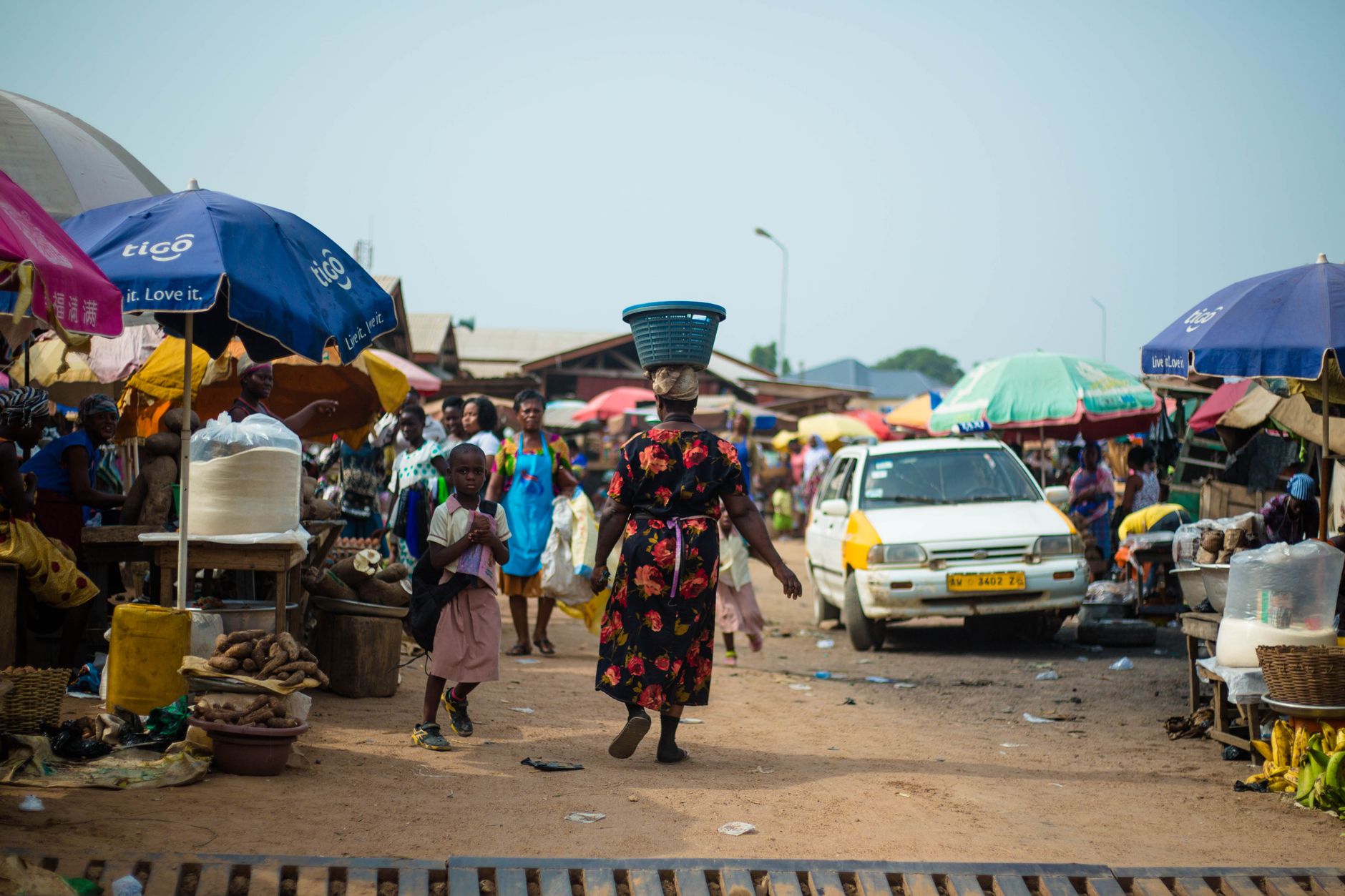
The association - whose operational scale and financial position details remain unconfirmed - reflects a pattern of informal self-organisation filling voids left by the absence of formal financial infrastructure. Kiremba's central marketplace is quiet for much of the day, its foot traffic dominated by schoolchildren. Regular rainfall and fertile soil give the commune a clear agrarian advantage, but converting agricultural output into diversified livelihoods requires capital, technical training, and market access, none of which are reliably on offer.
The macroeconomic context sharpens the urgency. Burundi's GDP expanded 4.1% in 2024, and the IMF projects 3.8% growth in 2026 accelerating to 4.2% in 2027. Yet inflation at 20.2% in 2024 systematically erodes household purchasing power and makes micro-capital formation particularly difficult for unbanked rural women. A current account deficit of 15.4% of GDP underscores the economy's dependence on external flows and reinforces the structural case for building domestic income-generating capacity at the commune level.
The immediate exposure for investors lies in microfinance and agricultural value-chain segments serving northern Burundi. Rural communes such as Kiremba represent demonstrably underserved credit markets: demand for small-business financing among women and youth is present and organised, yet formal financial service providers have not closed the gap. The principal competitive barrier for any operator entering this space is logistics and trust-building, not demand generation.
For development-finance institutions, the women's associations coalescing around income-generating activities across communes like Kiremba represent a ready entry point for channelled lending or grant programming. Aggregating borrowers across political lines, as Commune Kiremba's cross-party model does, reduces individual credit risk and lowers the per-borrower cost of community engagement.
Progress on female decision-making representation and youth employment will track closely against improvements in education access and formal financial services penetration - two variables where policy clarity from national authorities remains limited. Details on targeted national interventions for rural female entrepreneurship remain unconfirmed