Turkish Economy at Risk as EU Relations Sour
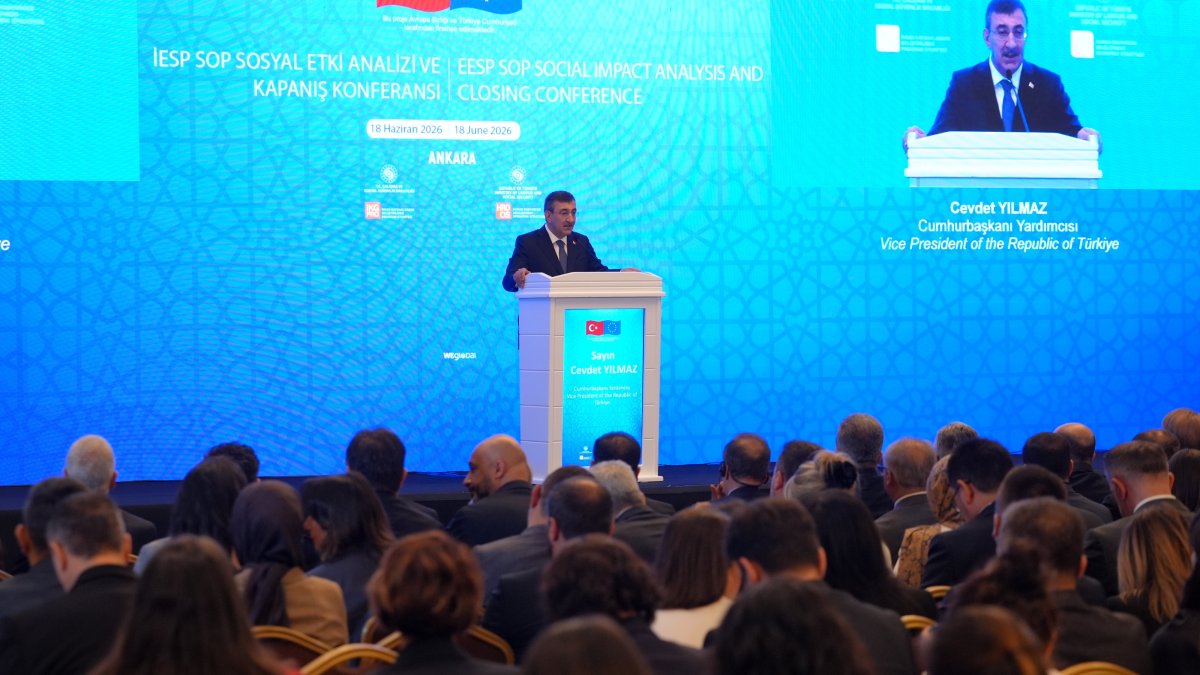
A recent report has sparked a heated exchange between Turkey and the European Union, with Turkish Vice President Cevdet Yılmaz calling for "progress" from the bloc.
The Turkish government, through the Vice Presidency, is involved in numerous projects jointly financed by the EU and Turkey, which are crucial for the country's economy. These projects cater to various sectors, including trade and tourism. Historically, Turkey's exports to the EU have been significant, with the country's exports to the EU totaling approximately $143 billion in 2019. The EU is Turkey's largest trading partner, accounting for around 45% of Turkey's total trade volume in 2020.
The EU's financial support for joint projects in Turkey is part of the country's overall foreign aid and investment, which is approximately €5.5 billion in 2020. This significant investment has a direct impact on Turkey's tourism sector, with the Turkish government and related institutions working to promote tourism through joint projects with the EU. The tourism sector is an important contributor to the country's economy, and any potential disruption in EU-Turkey relations could have a negative impact on this sector.
The Turkish government's call for "progress" from the EU comes at a time when the country's economy is already facing challenges. The government's ambitious investment plans, which include infrastructure development and economic growth initiatives, rely heavily on foreign investment and aid. Any souring of relations with the EU could limit Turkey's access to these critical resources, making it increasingly difficult for the government to achieve its economic goals.
As the situation unfolds, investors and businesses operating in Turkey should closely monitor the developments in EU-Turkey relations. The sector that may be most affected by any potential disruption is the tourism industry, which relies heavily on EU investment and support. The Turkish government's tourism promotion efforts, including joint projects with the EU, are crucial for the sector's growth and development.
The trade relationship between Turkey and the EU is also worth watching. Historically, Turkey's exports to the EU have been significant, and any potential disruption in trade could have a negative impact on the country's economy. The EU's financial support for joint projects in Turkey is a critical component of the country's foreign aid and investment, and any reduction in this support could have far-reaching consequences for Turkey's economy