Trump Blows Through His Iran Red Lines in Justifying Peace Deal
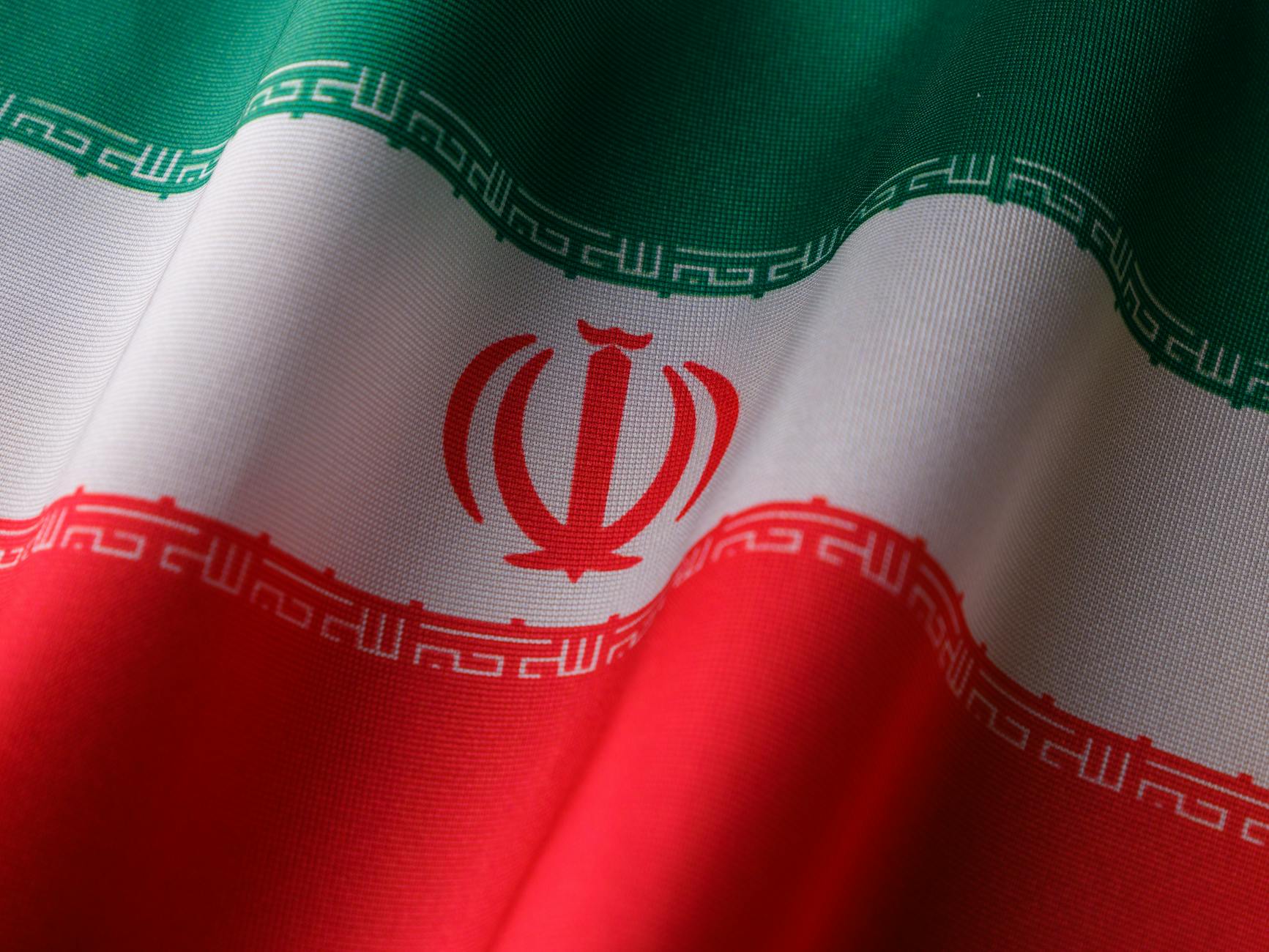
The most significant business implication for Denmark is the potential impact on the country's energy sector, particularly with regards to oil and gas imports. Historically, Denmark has been a net importer of oil and natural gas, with approximately 70% of its energy needs met through imports. A potential relaxation of US sanctions on Iran could lead to increased oil and gas exports from the country, potentially altering the global energy landscape and impacting Denmark's energy imports.
The Danish energy sector, which includes companies such as Dansk Erhverv (the Confederation of Danish Industry), which represents a wide range of industries including energy, is likely to be monitoring the situation closely. The sector's response will depend on various factors, including the specifics of any potential peace deal, the level of sanctions relief, and the impact on global energy prices.
One possible scenario is that a reduction in US sanctions on Iran could lead to a decrease in global oil prices, making oil imports cheaper for Denmark. However, this could also lead to downward pressure on oil company profits, potentially impacting the sector's investment plans and hiring practices. Conversely, if the peace deal fails to materialize or the sanctions remain in place, global energy prices could rise, making oil imports more expensive for Denmark.
The impact on Denmark's energy sector will also depend on the regional context. Historically, the European Union (EU) has been a major player in shaping global energy policies, and the bloc's response to any potential changes in the Iran-US dynamic will be crucial. Denmark, as a member of the EU, will likely be influenced by the bloc's stance on the issue.
While there is currently no clear indication of how the situation will unfold, business operators in Denmark's energy sector should be prepared to adapt to any changes in the global energy landscape. This could involve monitoring developments closely, building contingency plans, and adjusting investment strategies accordingly.
As the situation continues to evolve, business operators in Denmark's energy sector should stay informed about the latest developments and their potential impact on the country's energy imports. This will enable them to make informed decisions and navigate any changes in the global energy market