Istanbul's Traffic Chaos Hits Productivity, Raises Concerns for Economic Growth
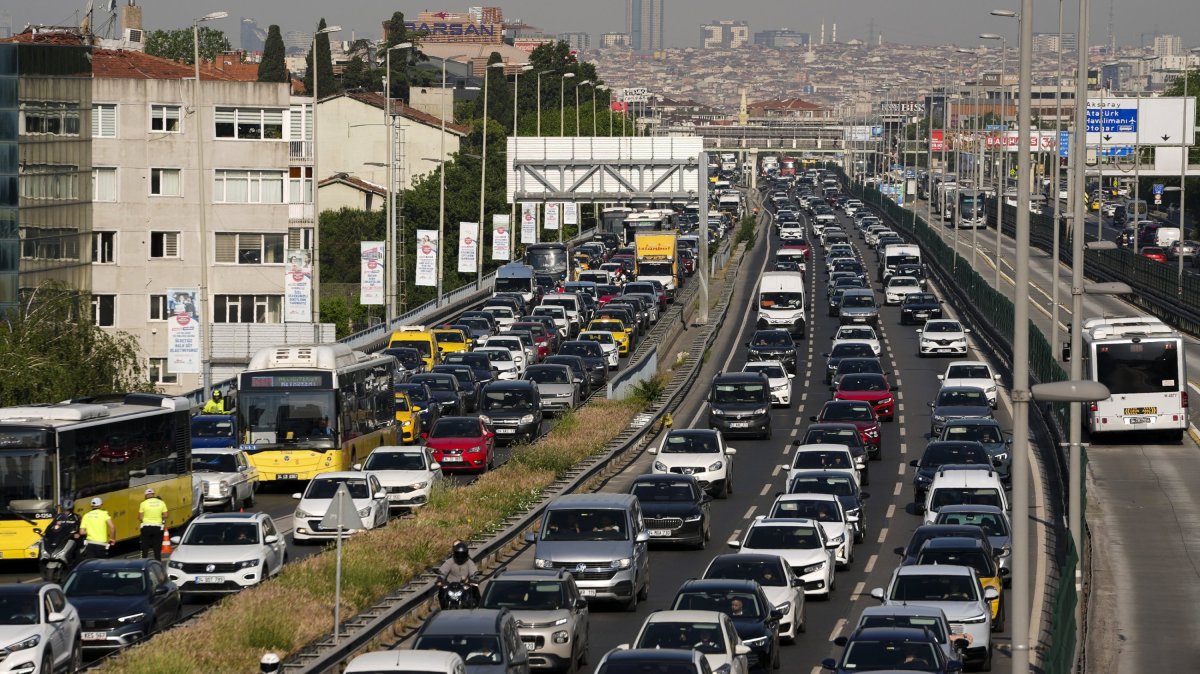
The relentless traffic congestion in Istanbul, a significant hub for Turkey's automotive industry, poses a substantial threat to the country's economic growth. The city's commuters are turning to drastic measures, such as transforming their cars into makeshift bedrooms, to cope with the notorious traffic jams.
The Turkish government has implemented various measures to alleviate traffic congestion, including the expansion of public transportation systems and the construction of new roads. However, these efforts seem to be falling short as Istanbul's office workers struggle to arrive at their workplaces on time. The impact on productivity is estimated to be substantial, with commuters often spending hours stuck in traffic, affecting not only their work but also their overall quality of life.
The automotive industry, a significant contributor to Turkey's GDP, is also feeling the pinch. Companies such as Tofaş, Otokar, and BMC, which produce vehicles for both domestic and international markets, may see their production volumes and sales affected by the city's traffic woes. Historically, the automotive industry has been a key driver of economic growth in Turkey, accounting for approximately 4.5% of the country's GDP, which includes the transportation and storage sector.
The limited information available on the direct economic impact of Istanbul's traffic congestion on local businesses and the economy is a cause for concern. However, it is clear that the situation is having a ripple effect on various sectors, including logistics and transportation services, which are critical components of the country's economic infrastructure. With the lack of concrete data on the economic impact, market uncertainty prevails, and businesses operating in Turkey should closely monitor the situation.
Turkey's transportation and storage sector, which includes the automotive industry, logistics, and transportation services, is a significant driver of economic growth. Historically, this sector has contributed approximately 4.5% to Turkey's GDP. However, the ongoing traffic congestion in Istanbul may lead to a decline in productivity and economic output, negatively impacting businesses and the overall economy.
In conclusion, the traffic chaos in Istanbul poses a substantial threat to the country's economic growth, particularly in the automotive industry. Businesses operating in Turkey should closely monitor the situation and be prepared for potential disruptions to production and sales. As the situation continues to unfold, it is essential to assess the impact on local businesses and the economy