18-Year-Old Dies in Fall From Horse Carriage in Central Park
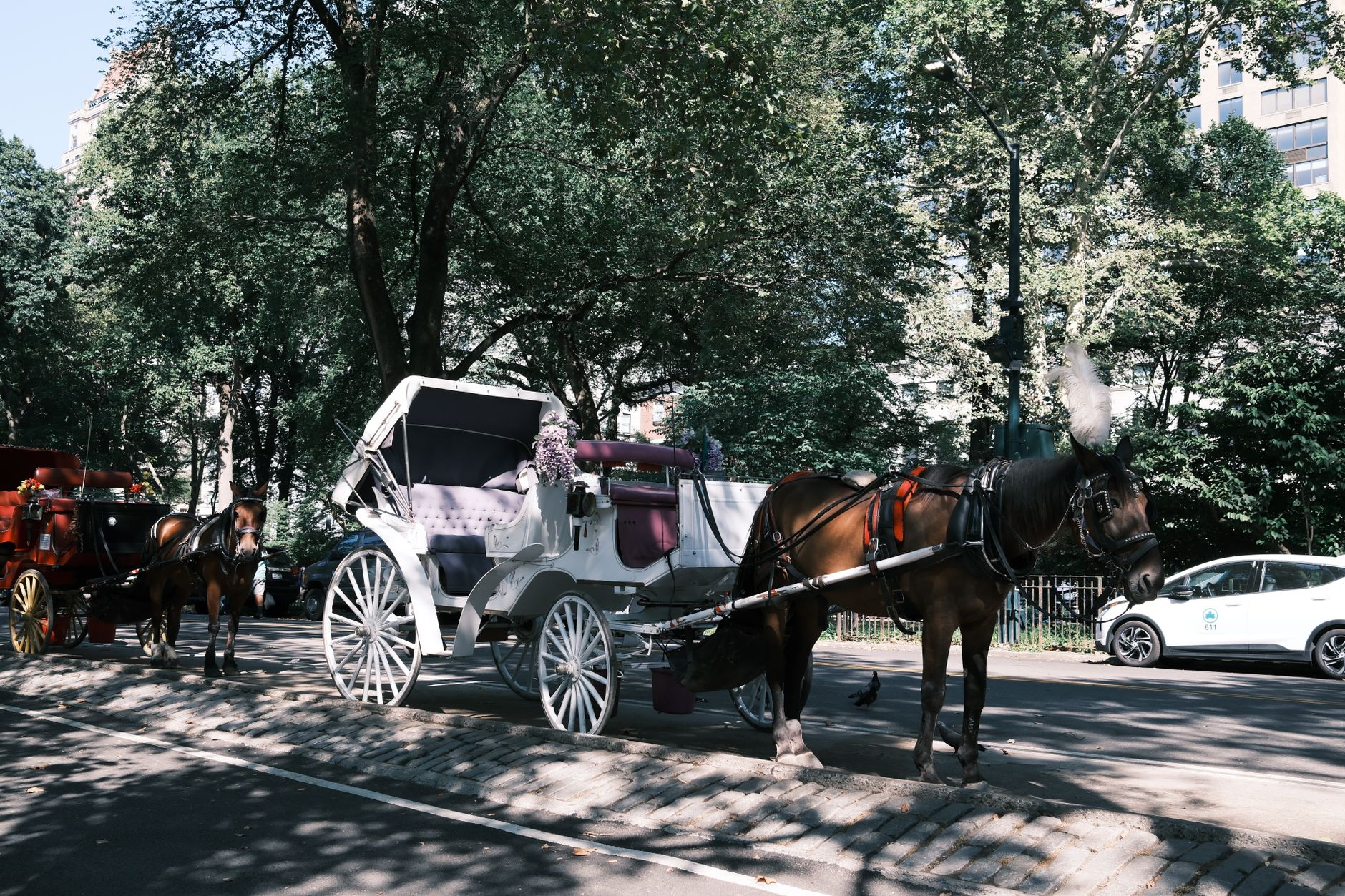
The most significant business implication for Costa Rica stemming from the incident of an 18-year-old dying in a fall from a horse carriage in Central Park is the potential impact on the country's tourism industry. Costa Rica, known for its eco-tourism and adventure travel, has a thriving sector that caters to tourists seeking horseback riding and other equestrian activities. Companies operating in this sector, such as tour operators and equestrian centers, may face increased scrutiny and pressure to enhance safety measures to avoid similar incidents.
The incident may lead to a re-evaluation of safety protocols and regulations in the tourism industry, particularly in sectors that involve horseback riding and horse-drawn carriages. In Costa Rica, this could affect businesses that offer horseback riding tours, horse-drawn carriage rides, and other equestrian activities. Approximately 2 million tourists visit Costa Rica each year, with a significant portion participating in adventure and eco-tourism activities. While there is no direct data available on the economic impact of this incident on Costa Rica's tourism industry, operators should monitor the situation closely and be prepared to adapt to changing consumer expectations and regulatory requirements.
The Costa Rican Tourism Board (ICT) and other regulatory bodies may respond to this incident by introducing new safety guidelines or regulations for tour operators and equestrian centers. This could involve enhanced training for horse handlers, improved equipment maintenance, and stricter safety protocols for tourists participating in horseback riding and other equestrian activities. Historically, Costa Rica has prioritized tourism safety and has implemented various measures to ensure visitor safety. However, the country's tourism industry is not immune to global trends and consumer concerns, and operators should be prepared to respond to changing market conditions.
In the face of market uncertainty, Costa Rican businesses that cater to tourists, particularly those in the adventure and eco-tourism sectors, should prioritize transparency and communication with their clients. This may involve providing clear information about safety protocols, emergency response plans, and the measures being taken to prevent incidents like the one in Central Park. By proactively addressing safety concerns and demonstrating a commitment to visitor well-being, Costa Rican businesses can help mitigate potential losses and maintain consumer confidence