Wildfires in West Kelowna: Economic Implications for Canada's Tourism and Real Estate Sectors
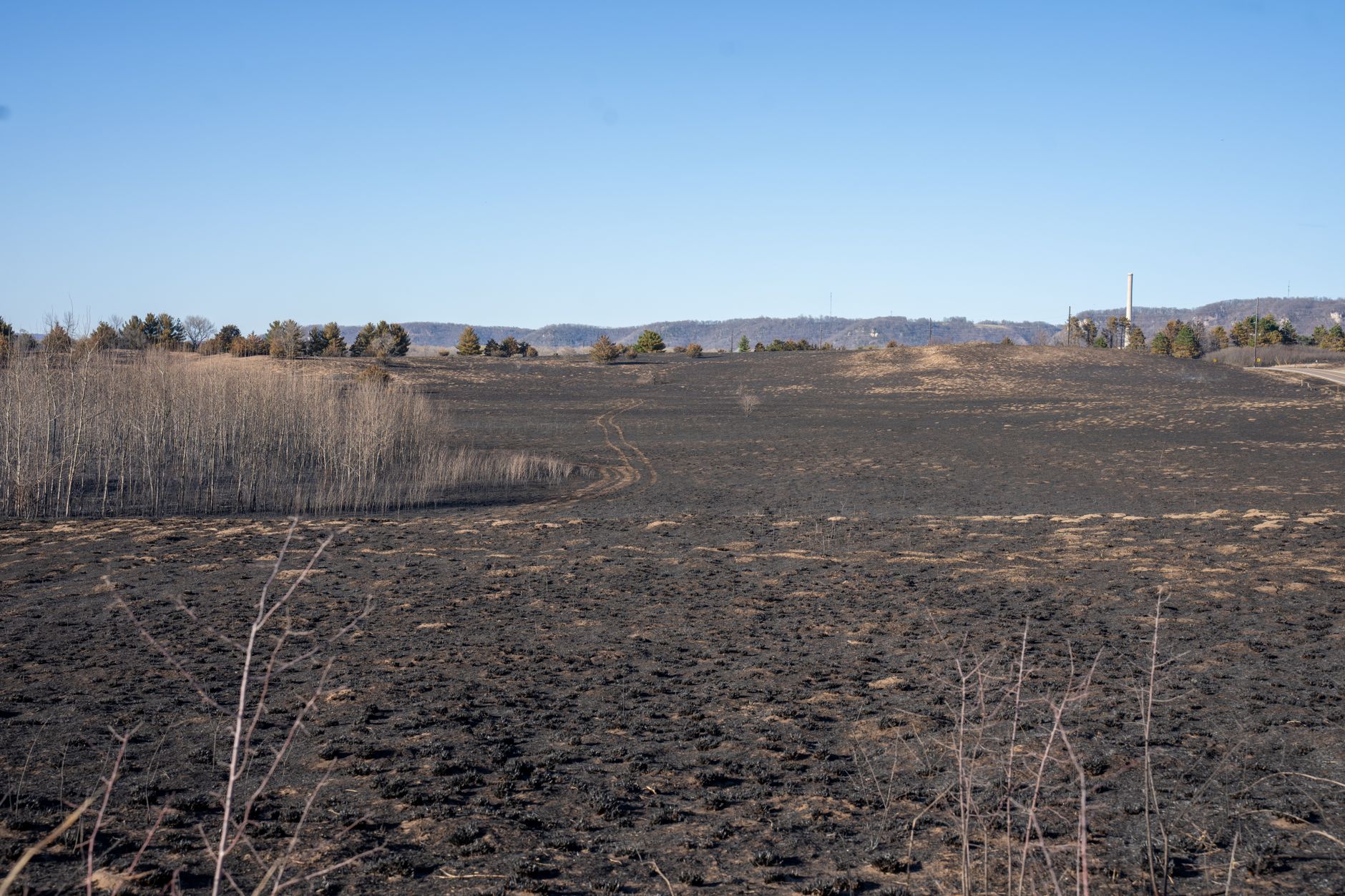
A recent wildfire in West Kelowna, British Columbia, has been brought under control, allowing residents to return home without any reported losses to private property. This news is crucial for Canada's tourism and real estate sectors, as it has significant implications for the local economy and potential investors.
The tourism sector in the Okanagan Valley, where West Kelowna is located, is a significant contributor to Canada's GDP. The region attracts millions of visitors each year, drawn to its natural beauty, outdoor recreational opportunities, and wine country. Historically, the tourism industry has been a major driver of economic growth in the region, with many businesses, including hotels, restaurants, and tour operators, relying on the influx of visitors to stay afloat. With the wildfire now under control, it is estimated that the region will experience a significant influx of tourists looking to experience the region's natural beauty and outdoor activities, potentially boosting local businesses and the overall economy.
The real estate sector in the Okanagan Valley is also likely to feel the positive effects of the controlled wildfire. With no homes lost, property values are unlikely to decline, and potential investors may view the region as a more attractive option for real estate investment. Approximately 20% of British Columbia's population resides in the Okanagan Valley, with many of these residents being middle-class families with a strong presence in the real estate market. Historically, the real estate market in the region has been driven by a combination of factors, including affordability, location, and amenities. With the wildfire under control, it is possible that the region will experience an increase in demand for residential and commercial properties, potentially driving up prices and benefiting local real estate agents and developers.
However, it is worth noting that the impact of the wildfire on local businesses and the economy will depend on various factors, including the extent of property damage, the effectiveness of the emergency response, and the overall resilience of the local community. As the region begins to recover and rebuild, it will be essential for local businesses and investors to monitor trends and patterns in the tourism and real estate sectors to stay ahead of the curve